

%20(1).png)
Supporting Your Child's Passion for Sport: A Parent's Guide

When your child shows a genuine interest in any sport, it can be a fantastic opportunity for their personal growth. Sports help children develop confidence, discipline, resilience, and teamwork, while encouraging a healthy, active lifestyle, all of which are essential for success in everyday life.
As a parent, your support is crucial, not just for their success in sport but for their development as a person. Your child will experience regular highs and lows, and from my experience as a coach, here’s how to support your child's passion for sports in a healthy and balanced way .
1. Enjoyment is key
In the early stages, the key is to focus on enjoyment. A child who loves their sport is more likely to stay motivated and develop a life long passion for sport. This sets your child up for long-term passion, not just short-term success which can lead to early drop out.
2. Early Specialization vs Multisports Participation
It is crucial to encourage participation in a variety of sports instead of concentrating exclusively on one at a young age. Early specialisation is described as intensive training in one sport throughout the year, at the exclusion of other sports (Jayanthi et al., 2015). Even if your child demonstrates significant interest in one sport, it's important to view their enthusiasm from a broader perspective to minimize the chances of injuries and burnout, both of which are common risks associated with early specialisation.
Focus on the process not the outcome
So often, I hear parents greet their child after a match with, “Did you win?” rather than asking, “How did you play?” or “Did you enjoy the match?” That first question focuses purely on the result (the outcome). Shifting the focus to the process means recognising the progress your child is making every day - in training sessions and in matches - regardless of the final score.
Success is built on small improvements, those 1% gains that add up over time. A player can perform brilliantly and still lose, but if we only focus on winning, we miss those valuable positives within the game. Next time your child finishes a match, try asking, “How did you play?” or “Did you do anything you’re proud of?”
The Importance of Rest
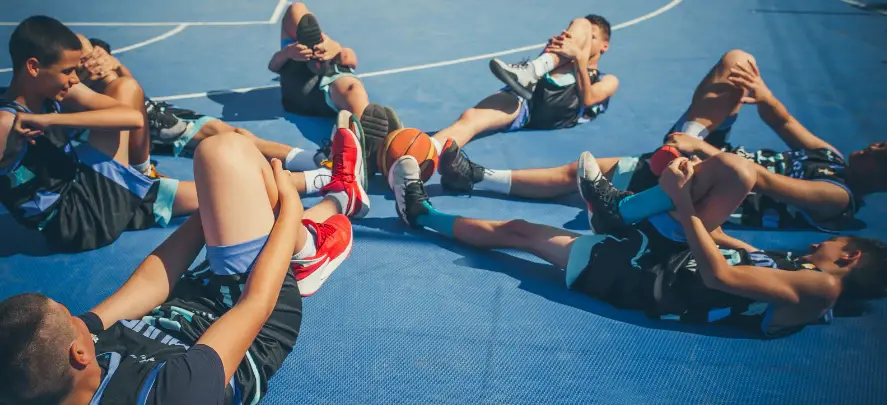
Children need rest days. This may come as a surprise especially if your child seems to have endless energy and enthusiasm for their sport. Without adequate rest, young athletes can miss out on physical development, performance gains, and mental focus—while significantly increasing their risk of injury and burnout. As a parent, you know your child better than anyone, and when you notice signs of fatigue or injury, that may be negatively impacting other aspects in their life, your gut feeling will make the right decision for you.
In our next blog we'll be talking about the the Science Behind Recovery in more depth.
Model a Positive Attitude Towards Sport
Children are influenced by their parents' attitudes. If you demonstrate a love for physical activity and show interest in your child’s sport, they are likely to follow suit. Emphasise the value of effort, teamwork, and personal growth over trophies and accolades, and your child will hopefully adopt the same mindset.
Encourage Healthy Competition and Learning from Losing
I strongly believe that being competitive is important. To have that drive to do your very best for yourself and your team. Sports are a valuable tool for teaching resilience. Losing can be tough, but it's important to teach your child how to handle disappointment gracefully. Reinforce that failure is a natural part of life, and the key is to learn from it rather than avoid it. Help them understand that losing is okay, and encourage them to bounce back with a positive mindset. We often gain greater benefits from our defeats and setbacks than from our victories.
Support From the Touchline
Most parents have good intentions when they shout from the sidelines, which tend to be driven by their passion. What they fail to understand is that their 'encouraging' words are actually commands, which can turn into distractions and white noise for the children playing. Words like pass, run, and shoot are common examples. In sports, decision-making is crucial for a child's development and commands can remove the chance to learn. Remaining calm and supportive, allows the children to make mistakes, solve problems, and enhance their sporting skills.
Respecting the Referee
As coaches, we often witness parents yelling at referees' decisions from the sidelines. In those moments, parents might not realise but they're teaching a negative lesson about respecting referees to their children. By showing respect and accepting the referees decision regardless if you think its wrong or right, you'll indirectly teach your child the value of respect.
Let Them Find Their Own Path
Not every child wants to become a professional athlete. If your child wants to try a new sport or take a break, it is important to listen and understand from their perspective. It's important to allow your child to take ownership of their sport journey. Avoid pushing them into decisions that you want, it can be hard sometimes. Your role is to provide support, ensure they maintain balance, and help them navigate challenges along the way.
Conclusion: Relax and Enjoy the Ride
Being a supportive parent means striking a balance between involvement and stepping back. Let your child enjoy the experience and journey that sport brings. If you can do that, they’ll not only thrive in sport but also develop into well-rounded, confident individuals.
How BHSports Can Help
We understand that supporting your child's passion for sports can sometimes feel overwhelming, and we're here to help. If you're finding certain aspects of your child's sports journey challenging, don’t hesitate to reach out. Whether it’s advice on balancing school sport with clubs, dealing with setbacks, or simply understanding how to best support your child, please contact us at bhsportscoach@gmail.com.
References
Jayanthi N. A., LaBella C. R., Fischer D., Pasulka J., Dugas L. R. (2015). Sports specialized intensive training and the risk of injury in young athletes: a clinical case-control study. Am. J. Sports Med. 43, 794–801. Access online here: https://pmc.ncbi.nlm.nih.gov/articles/PMC7739675/#B70
Posted on 2nd April 2026


Comments