

%20(1).png)
Benefits of Children Starting Sport at a Young Age
Updated: Mar 13

We all know that staying active and playing sport offers countless benefits - but how does it support children physically, mentally and socially? In this blog, we explore the benefits of children playing sport at a young age and how BHSports can help support a lifelong love of sport.
Physical Benefits: Strengthening Health from the Inside Out
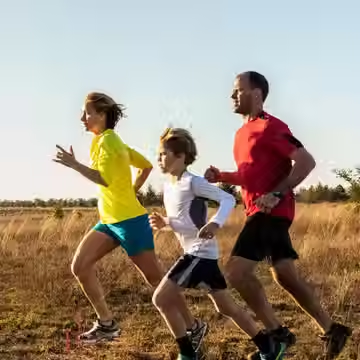
Physical health is crucial during the primary school years when children’s bodies are growing and developing. Children aged between 5 and 18 years old should aim to be physically active for at least 60 minutes a day (NHS, 2024). Establishing active habits early on helps lay the foundation for a healthy lifestyle and lifelong love for physical exercise.
Prevents Obesity
According to the NHS (2024), one in three UK children leaves primary school overweight. Regular physical activity helps children maintain a healthy weight by burning excess calories and strengthening their muscles and bones.
Supports Long-Term Health
Physical activity promotes a healthier heart and lungs, reducing the risk of type 2 diabetes, and helps keep blood pressure and cholesterol levels healthy. In addition, it improves overall fitness, which has lasting health benefits as children grow.
Promotes Better Sleep
Active children tend to sleep better, which leads to better concentration in school. Physical activity helps to regulate sleep patterns, lower the risk of sleep disorders and ultimately gives children the rest they need to excel academically and help manage their emotions better (Kline, 2014).
Mental Benefits: Enhancing Wellbeing and Emotional Resilience
In today’s digital world, many children spend considerable time in front of screens. Taking a break from screens and engaging in physical activity offers significant mental health benefits.
Reduces Stress and Anxiety
Physical activity has been shown to lower stress levels, reduce feelings of anxiety, and boost mood (NHS, 2017)
Boosts Self-Esteem
Regular exercise releases endorphins which are the chemicals in the brain that contribute to a feeling of happiness and wellbeing.
Improves Focus and Concentration
Active children often experience better concentration in school and improved memory, which ultimately leads to better academic performance.
Social Benefits: Building Friendships and Life Skills Through Sport
Physical activity isn’t just about improving health, it also provides opportunities for children to interact socially and develop essential life skills.
Promotes Teamwork and Cooperation
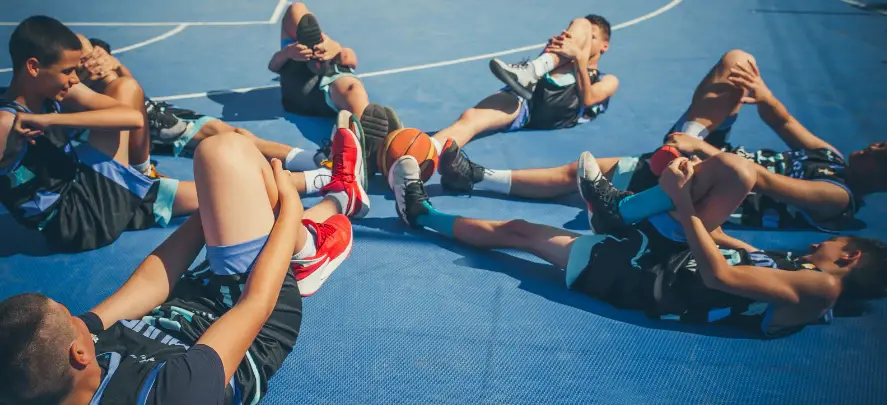
Many sports involve teamwork, helping children understand the value of working together. It teaches them how to collaborate, communicate effectively, solve problems collectively, and develop strong listening skills.
Encourages Respect and Social Integration
Being part of a team encourages respect for others, as well as patience and tolerance. Developing respect, empathy, and good sportsmanship from a young age equips children with valuable skills they can carry into all areas of life.
Improves Social Confidence and Friendships
Participating in sports gives children a sense of belonging and helps build self-confidence. As they interact with others in a supportive environment, children develop valuable social skills that can help form lasting friendships.
How BHSports Can Help
At BHSports, we’re passionate about making sports enjoyable and engaging for all children. Our camps are designed to keep children active, help them build new skills, boost their confidence, and foster a lifelong love of sport— all within a supportive and inclusive environment. Each session is tailored to meet the needs of both the group and each individual, ensuring everyone has a positive experience.
References
The bidirectional relationship between exercise and sleep: Implications for exercise adherence and sleep improvement (Kline, 2014). Read full article here: https://pmc.ncbi.nlm.nih.gov/articles/PMC10503965/#REF2
Exercise for children and young people, NHS (2017). Read full article here: https://www.gosh.nhs.uk/conditions-and-treatments/general-health-advice/leading-active-lifestyle/exercise-children-and-young-people/
National Child Measurement Programme, NHS (2024). Read full article here: https://digital.nhs.uk/data-and-information/publications/statistical/national-child-measurement-programme/2023-24-school-year
Physical activity guidelines for children and young people, NHS (2024). Read full article here: https://www.nhs.uk/live-well/exercise/physical-activity-guidelines-children-and-young-people/
This entry was posted on 28th January 2026.

Comments